


Products
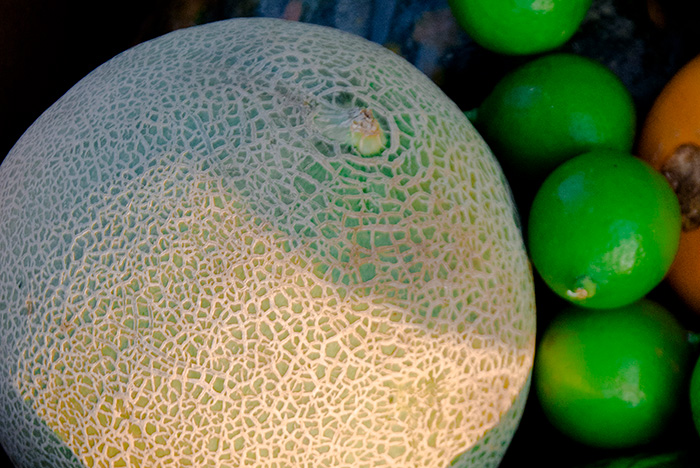
Melon is a monoecious herbaceous plant with creeping stems. Cross-linked melons differ from the rest in that they are an excellent source of provitamin A, vitamin C and carbohydrates.
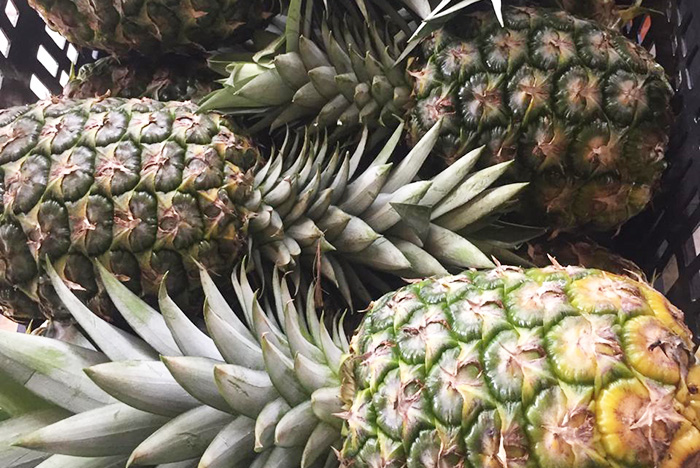
Gold Pineapple
Fruit of the tropical herbaceous plant Ananas, It has vitamins A, of group B and C, minerals such as potassium, magnesium, iodine, zinc and magnesium.

Sandía – Santa Amelia
Fruit almost round large. We also find vitamins A, B, C and E, magnesium, sodium and potassium. It helps the proper functioning of the immune system, fights hypertension, has diuretic action and has an anti-inflammatory effect.
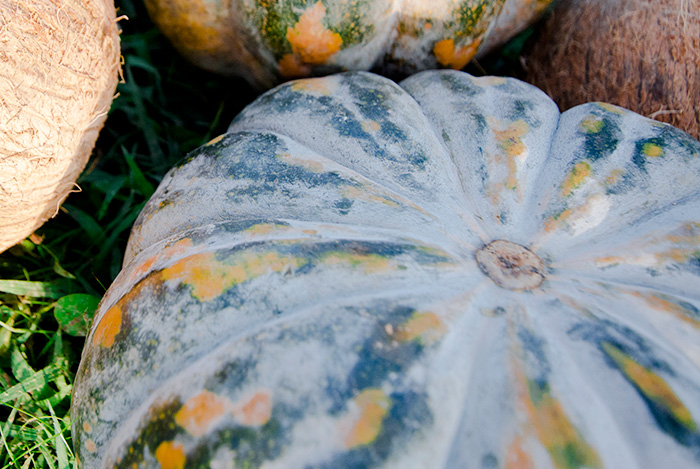
Ahuyama – Pastel Type
Ahuyama is a summer squash variety. Ahuyama is rich in beta-carotenes, natural antioxidants packed with vitamin A and E.
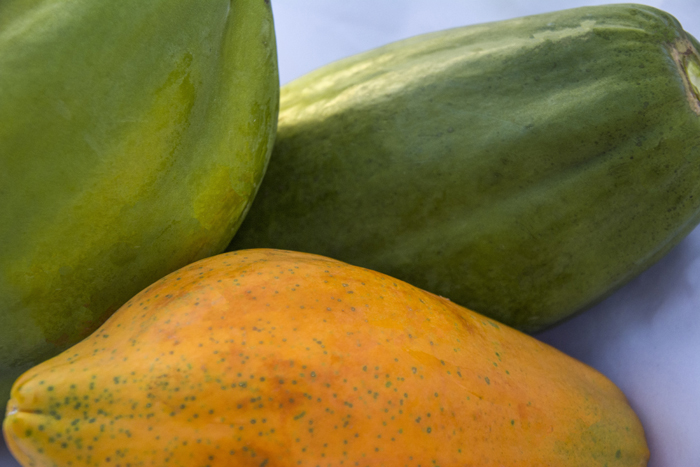
Papaya
Papayo tree belonging to the family of the caricaceae. It contains vitamins B1, B2 and Niacin or B3 and vitamins A and C, it is rich in minerals such as Calcium, Phosphorus, Magnesium, Iron, Sulfur, Silicon, Sodium and Potassium.
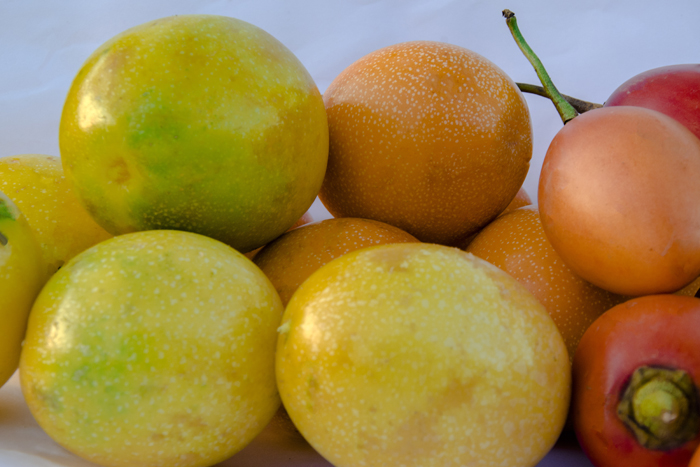
Passion Fruit
The passion fruit or passion fruit belongs to the Passionflower family. Its consumption gives us large amounts of vitamin A, Vitamin B2, Vitamin C. It has a high content of carotenoids. It is also a source of minerals (carbon, phosphorus, iron, potassium), proteins, carbohydrates, and fiber.
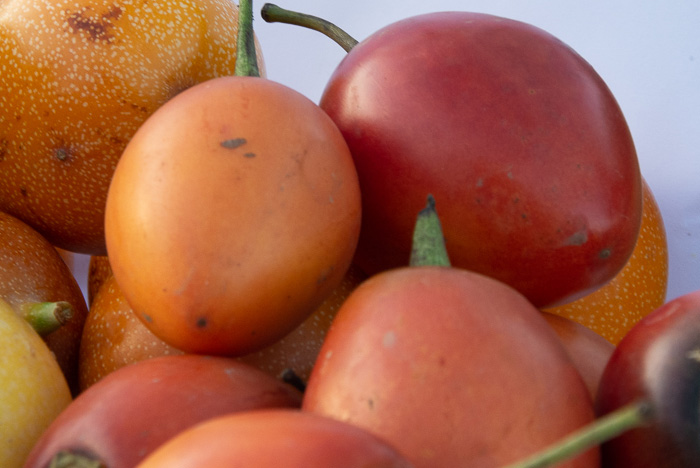
Tree Tomatoe
Tree tomato, also known as tamarillo, cigomandra or French tomato. Tree tomato is a very rich fruit in essential vitamins and minerals, especially provitamin A, vitamin B6, C and E. Among the minerals predominate calcium, iron, phosphorus and magnesium.
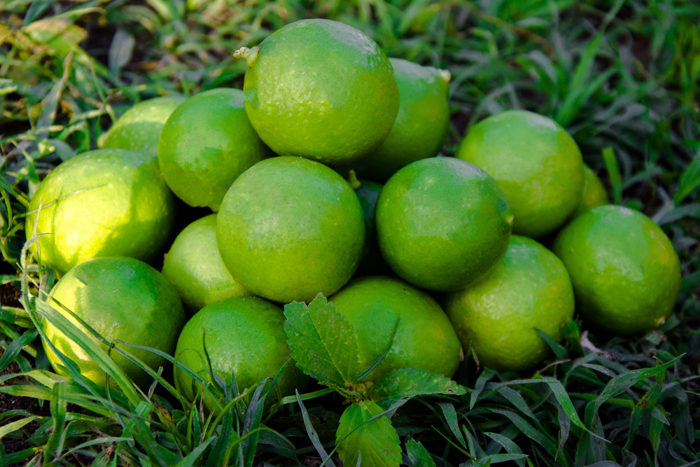
Tahiti Lemon
Lemon is a fruit that has therapeutic properties that have been transmitted from generation to generation. Among the benefits of lemon for health we find the strengthening of the immune system.
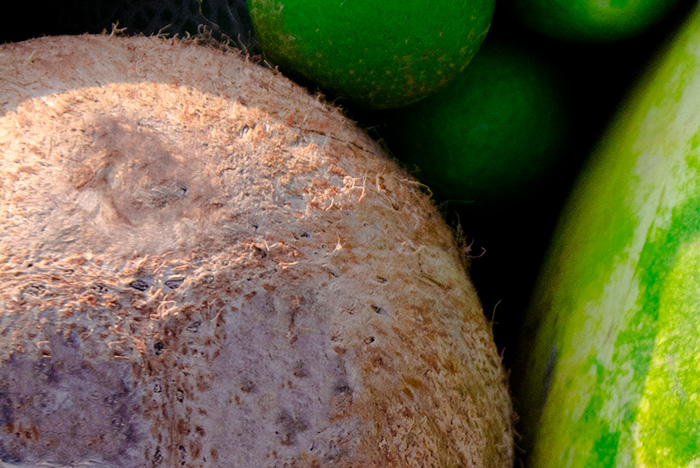
Coconut
It belongs to the Palmáceas family. It contains all the essential minerals (magnesium, calcium, phosphorus, iodine, iron, selenium, sodium, zinc), trace elements and vitamins.
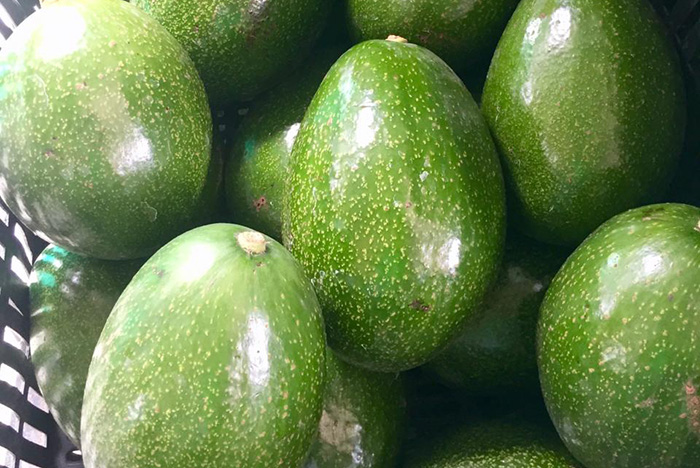
Avocado CHOQUET
Avocado, avocado or avocado, is a popular fruit for its numerous health benefits; It is an excellent food to complement a protective cardio diet, an effective antioxidant to improve the appearance of the skin and a good buffer to delay eye aging.
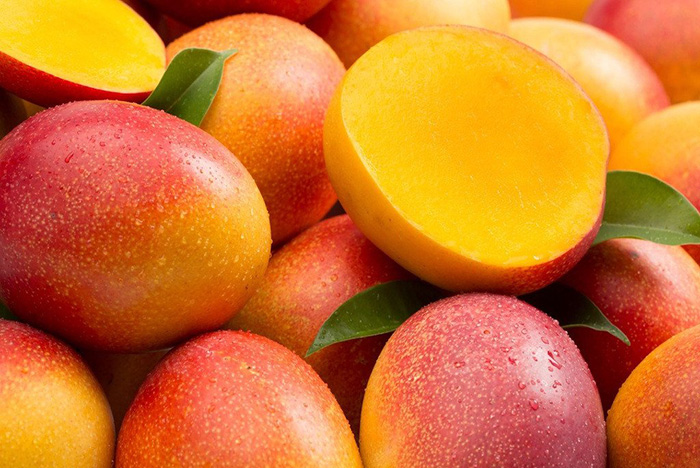
Mango
Fruit of the tree belonging to the Anacardiáceas family. It has vitamins A and C, mainly; minerals such as phosphorus, calcium and potassium, and it is very rich in fiber.
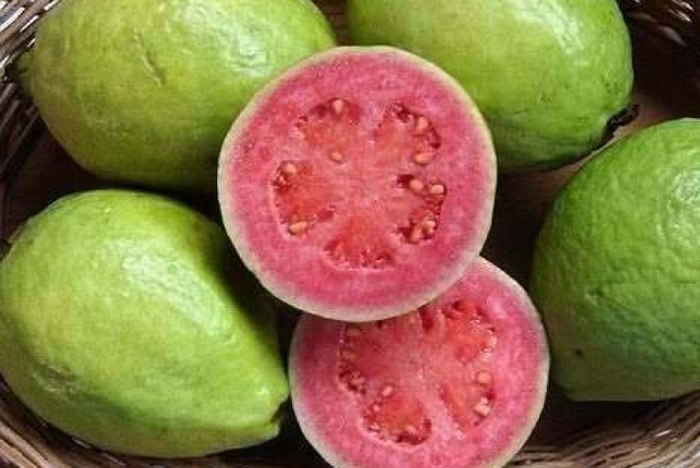
Guava
Fruit of the chanicuil tree that comes from Central America, although it is grown in almost all tropical countries. It is one of the fruits with the highest levels of vitamin C per gram, which makes it a natural flu, in addition to favoring the formation of collagen, bones and teeth, red blood cells and favors the absorption of iron from food.
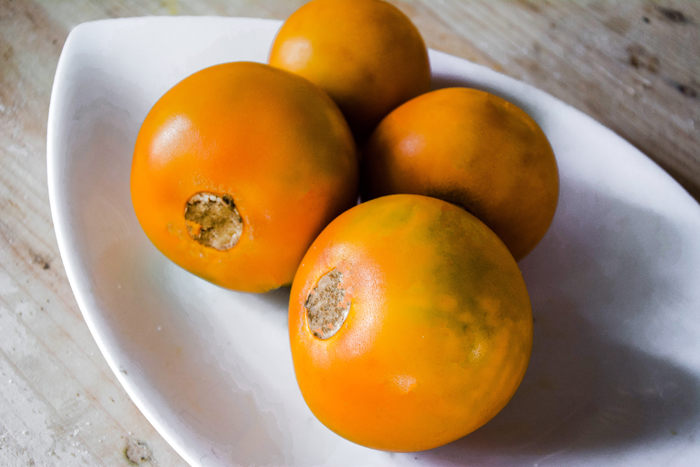
Lulo
Coming from the family of solanaceae and the magnoliopsida variety. Appreciated for its vitamin C content. Processed in shell, it has a higher content of minerals (such as calcium and phosphorus) and fiber.
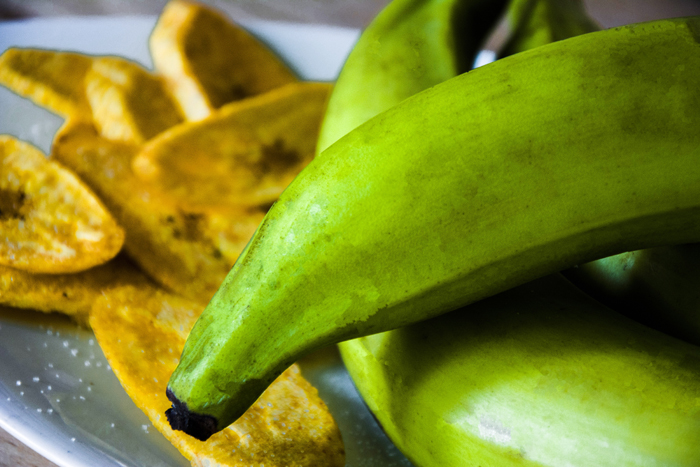
Plantain
Fruit of the banana, a plant belonging to the Musáceas family.
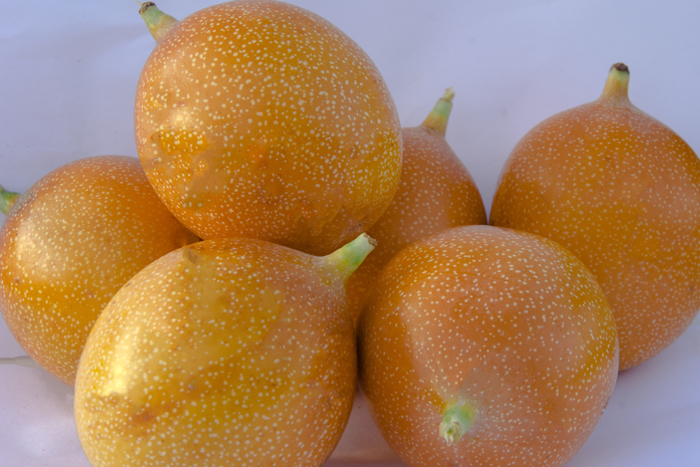
Granadilla
Granadilla belongs to the passion fruit family.
It provides vitamins A, B2, B3, B6, B9, C, E and K and minerals such as Calcium, Copper, Iron, Magnesium, Phosphorus, Potassium, Selenium, Sodium and Zinc. It also contains carotenes, proteins, carbohydrates and fiber.
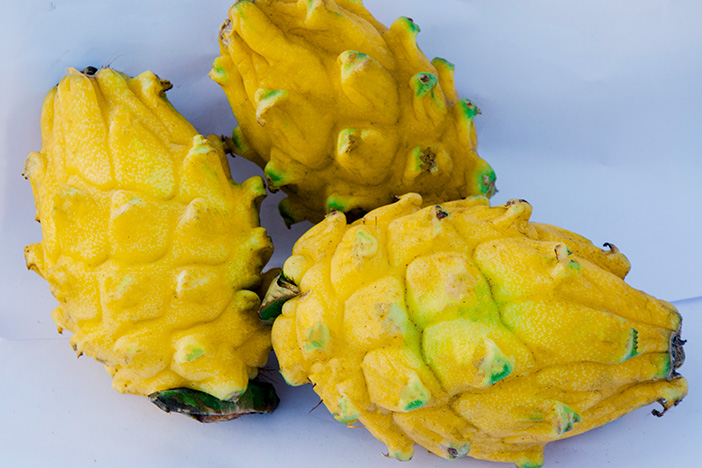
Pitahaya
Belonging to the Cactaceae family. The yellow pitahaya is native to Mexico, Colombia and Central America. It contains vitamin C, calcium, iron and phosphorus.
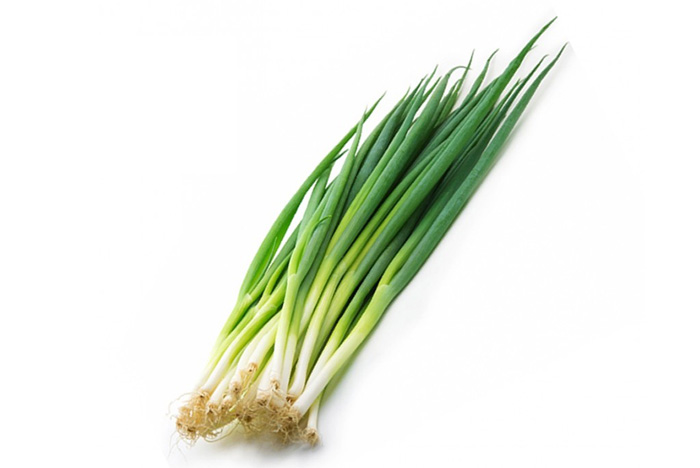
Green Onion / Spring Onion
- It is a very low calorie plant (30 kcal per 100 grams).
-
Provides many essential nutrients such as vitamins (C, A and K), fibers, minerals (potassium, calcium and phosphorus) and antioxidants.
- It is a great source of water (100 grams contain 90.6 gr of water).
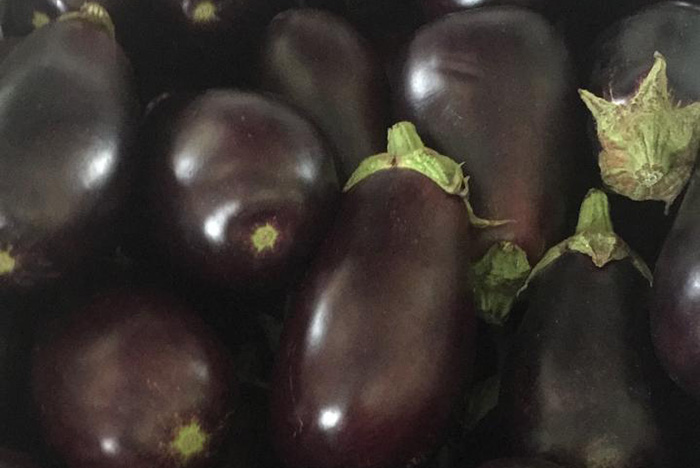
Eggplant
Eggplant is mainly composed of water (92.6%) and carbohydrates (3.5%). This, added to its few fats (0.2%) and proteins (1.2%), makes it very light (21 cal / 100 g). It also provides fiber (1.5%) As for its micronutrients, its contribution in potassium (240 mg / 100 g) and folic acid (13 mcg) stands out. As it reflects its purple color it also contains anthocyanins, antioxidant.
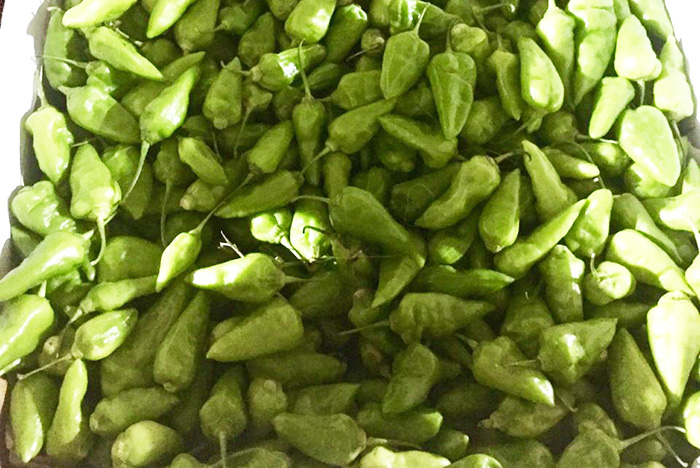
Sweet Pepper
It has vitamin C, E, A, B1, B2, B3, B6. And minerals such as phosphorus, magnesium, potassium and calcium. The fruit of the Ají also has folic acid, carotenes, beta carotene, capsaicin.
Decongests the upper respiratory tract from accumulated secretions. It is stimulating tonic for him to be cold and tired. It contains vitamin C, calcium, iron and phosphorus.
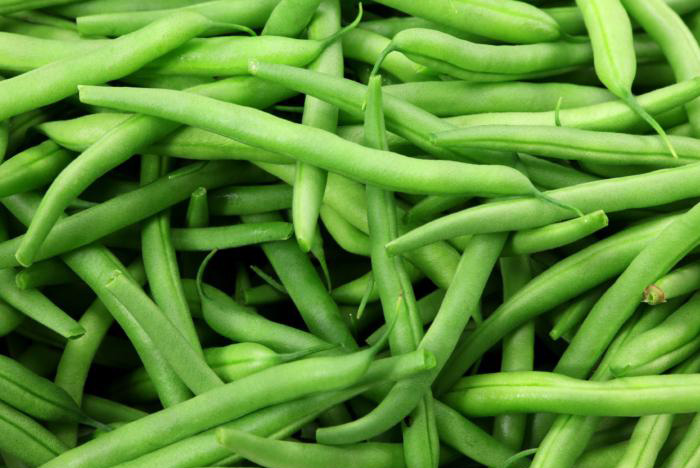
Beans
Rich in proteins, vitamins – especially B group -, minerals – magnesium, potassium, calcium, iron and zinc -, fiber and amino acids. They stand out for their folic acid content, recommended for pregnant women. They are purifying and help us eliminate the toxins that we don’t need.
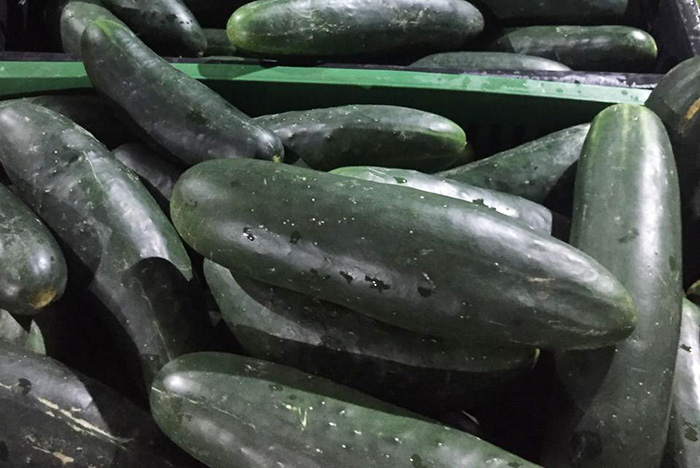
Cucumber
The scientific name of the plant is Cucumis sativus and belongs to the botanical family of cucurbitaceae, which groups more than 850 species, almost all herbaceous, climbers or crawlers, with large fruits and protected by a firm crust, such as melons, watermelons , zucchini and pumpkins.
This vegetable provides vitamin C, essential to stimulate the immune system (250 grams cover 13% of daily needs) and vitamins of group B (250 grams provide the body with 18% of the necessary folic acid and 10% of vitamin B5 ).
It also contains minerals such as potassium and trace elements such as silicon, molybdenum, copper and manganese, with a contribution that covers 5% of daily needs with 250 grams.
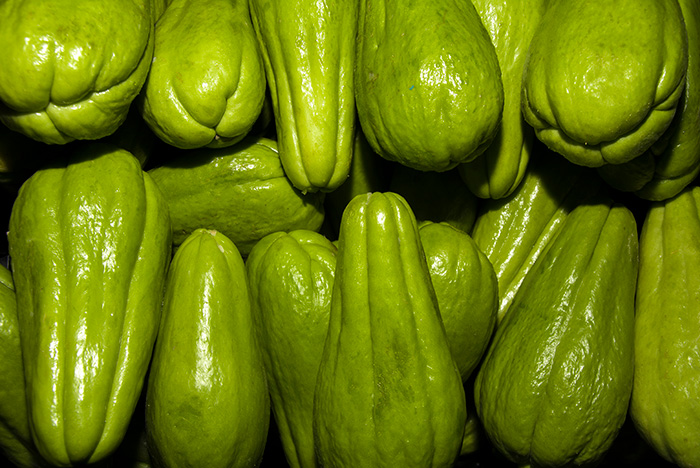
Chayote o Cider
Citron, chayote, chayota, poor potato is how this fruit is commonly known and its scientific name is sechium edule. Citron or chayote is especially produced in Central America.
It has a high antioxidant content that helps prevent aging and helps circulation.
– Contains vitamins C, A, B, Thiamine, Riboflavin, niacin and ascorbic acid.
– It has a diuretic effect and helps so that there is no fluid retention.
– Pose 2.2 grams of fiber which is great to help with stomach diseases.
– 100 grams of its fruit provides only 22 calories, with 0.2% fat it has no saturated fat or cholesterol.
– It also has 22.4 mg of calcium and 165 mg of potassium, 5.1 g of carbohydrates and 1.1 grams of essential proteins and amino acids which are very beneficial for health.
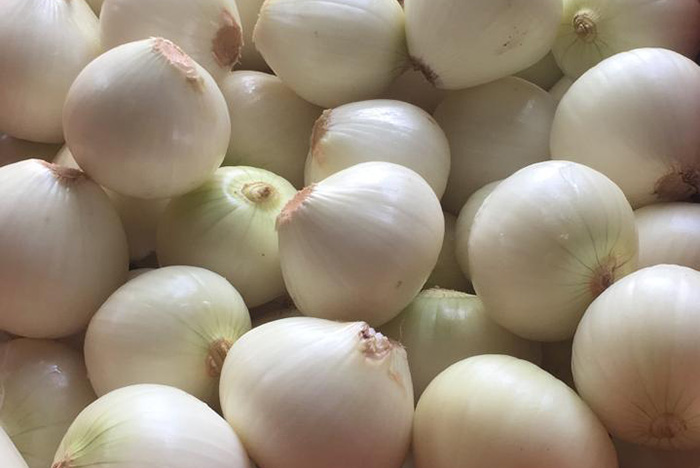
White Onion
As for its vitamins and minerals, it provides good doses of vitamin C (9 mg / 100 g), potassium (300 mg), calcium (32 mg) and phosphorus (44 mg), as well as a high percentage of chromium and small trace elements. amounts of sulfur, bromine, cobalt, copper, magnesium, silicon and zinc.
The onion is also very rich in phytochemicals, among which the flavonoid quercitin stands out. This antioxidant, more potent than vitamin E, has anti-inflammatory, anti-allergic and protective properties against cancer, especially breast, colon and prostate; In addition, it can help reduce symptoms of fatigue, anxiety and depression.
It also houses sulfur compounds with purifying effects and essential oil with bactericidal and fungicidal properties.
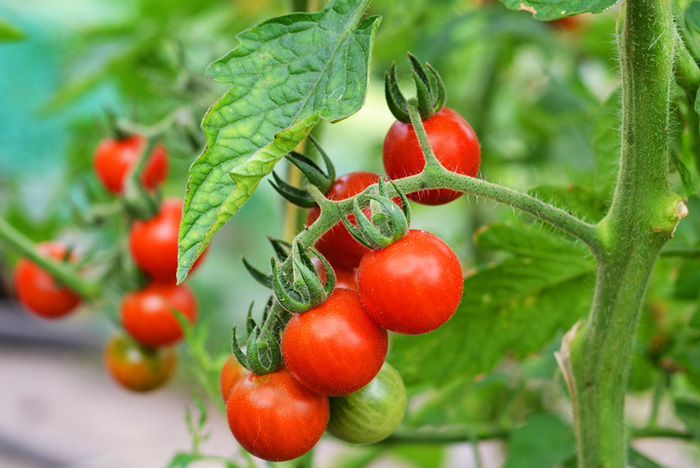
Tomato
The tomato (Solanum lycopersicum) left America with the Spaniards, who took it to Europe and Asia. The word derives from the Aztec xithomatl: “fruit with navel.”
It stands out for its content in the trio of antioxidant vitamins C, E and A, the latter in the form of the beta-carotene precursor.
Taking 200 grams of tomato covers 80% of the daily needs of vitamin C, 27% of those of vitamin A and 13% of vitamin E. The three vitamins prevent tissue degeneration, premature aging and collaborate with the immune system
Stresses the content of vitamins of group B, higher than that of other vegetables, especially vitamins B1, B6 and especially folic acid (200 g cover 25% of the needs). These nutrients favor the obtaining of energy from food and benefit the nervous system.
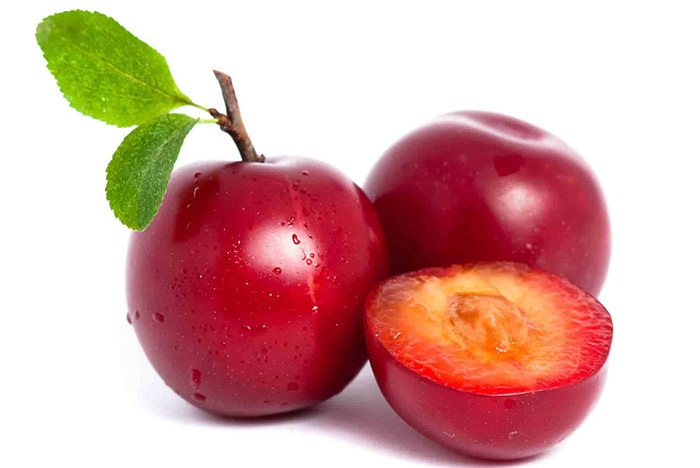
Castle Plumb
They contain vitamins and minerals that help us strengthen the body. They also have no saturated fat and are low in calories. Abundant Vitamin C, which serves as a natural antioxidant. Consuming one or more plums daily helps improve the immune system against inflammations, pathogens and free radicals. The yellow plum has abundant Vitamin A and beta corotene, very good for the health of the skin, mucous membranes and also for the eyes.
Provides minerals such as iron and potassium. Potassium is indicated to control blood pressure and heart rate. While iron helps the formation of red blood cells. It helps fight the aging of our body’s organisms. Also in addition to the aforementioned, it has Vitamin K that helps prevent Alzheimer’s in the elderly and improves blood clotting. Rich in vitamin B.
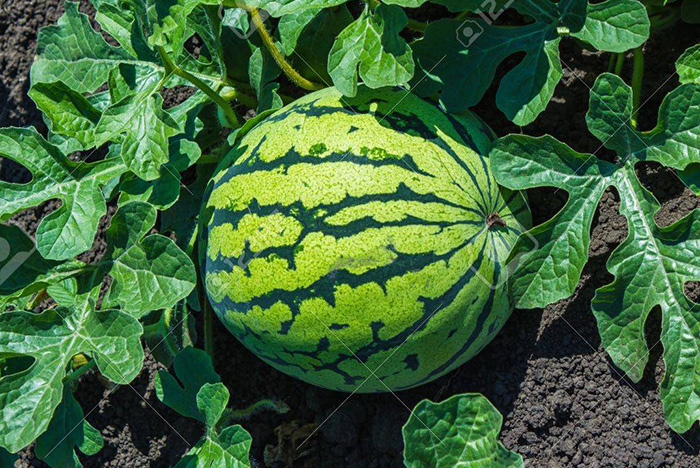
Baby Watermelon
It comes from the watermelon, a herbaceous plant belonging to the Cucurbitaceae family.
Watermelon very early with seeds inside. Its bark or skin is a dark green tone and its flesh is pale pink. It is very juicy and sweet in taste. In a rounded way, it can reach in spite of about 3 to 5 kg.
This variety is also known as Sugar Baby and is one of the most commercialized in our country. It is a typical summer fruit, so its collection is carried out between the months of June to September.
It has vitamins A, B, C and E, minerals such as magnesium, sodium and potassium. Its major component is water which makes it a very digestive and diuretic food. It has antioxidant properties and helps the proper functioning of the immune system.
Specialized agriculture